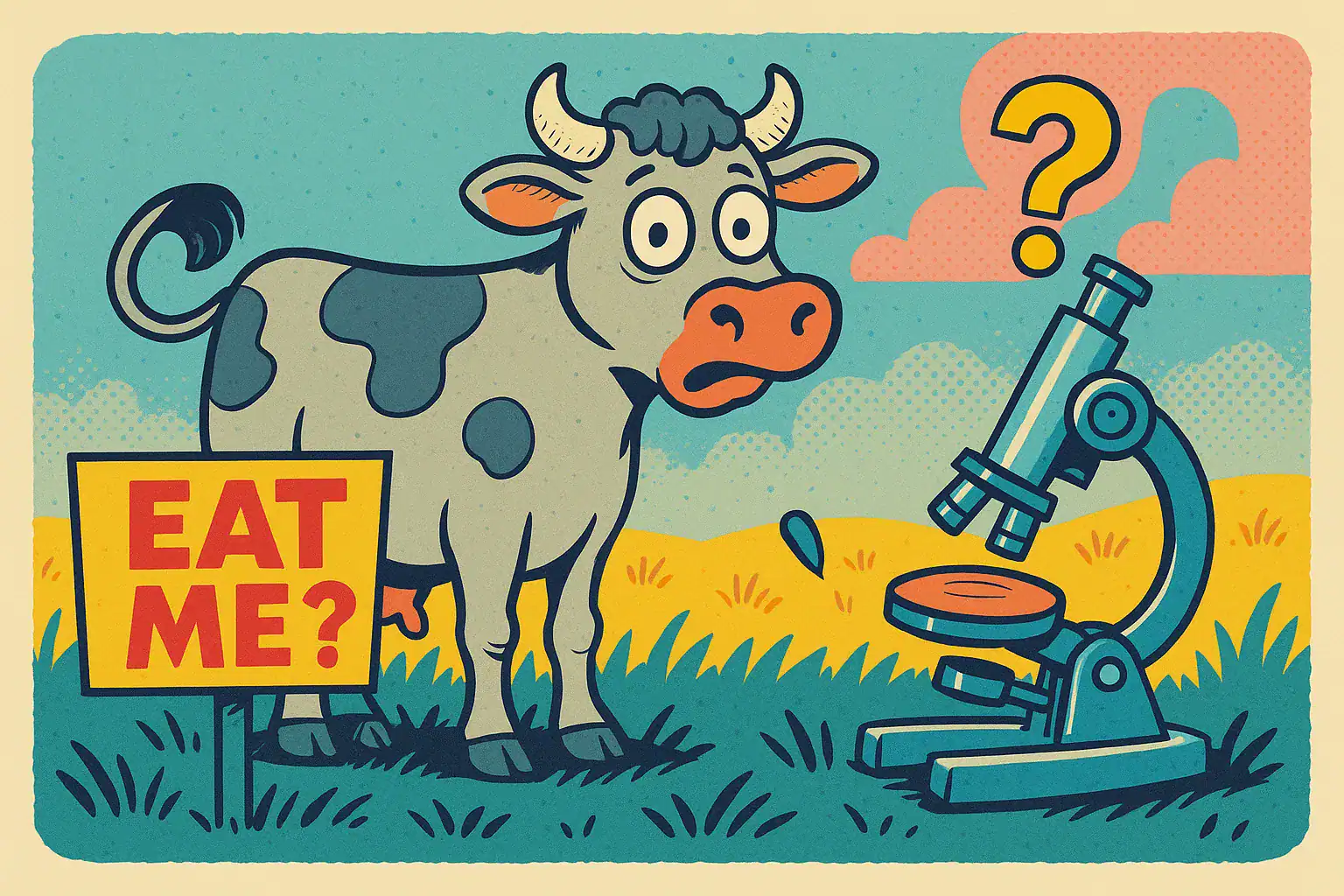
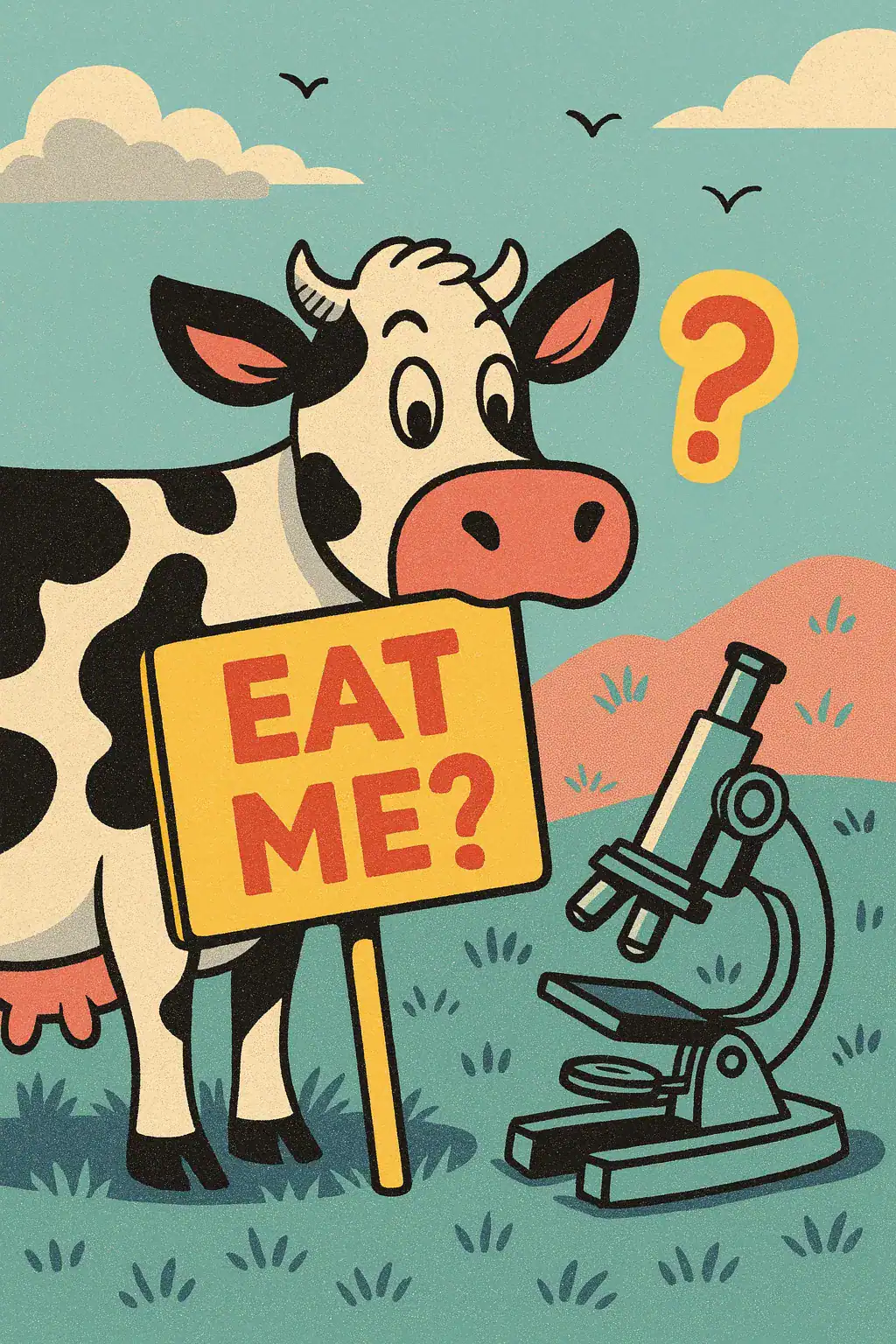
For many older adults, food is more than fuel. It is memories of Sunday dinners, the smell of a slow cooker, and the comfort of recipes passed down through generations. So when headlines begin talking about cloned meat and meals that come from labs instead of farms, it is completely natural to feel a mix of curiosity and caution.
Let us walk through this together in a simple and friendly way.
What Exactly Is Cloned or Lab Grown Meat
Lab grown meat starts with a small sample of animal cells. Scientists place those cells in a warm, nutrient rich environment where they grow into muscle tissue. That muscle becomes what we recognize as meat. This method was designed to reduce greenhouse gases, save land, and offer a new way to produce food without raising entire herds of animals.
It may sound futuristic, but think of it like the first microwave. When it arrived, everyone had questions. Today we use it without thinking twice.
Is It Safe To Eat
Health Canada has reviewed the science and has stated that lab grown meat is as safe as traditional meat based on the evidence available. Food safety rules apply no matter where the meat is grown. Nothing gets approved without careful study.
Some people still prefer to wait for long term independent research. That makes sense. It is always wise to stay informed rather than feel rushed into a new idea.
What Independent Voices Are Saying
Several well known groups that study food systems have asked for ongoing transparency and long term monitoring. Organizations such as the ETC Group and Friends of the Earth have encouraged slow and steady adoption so that science and public understanding can grow together. Some academics echo this caution and remind us that new technology always needs thoughtful oversight.
This mix of enthusiasm and careful questioning is healthy. It ensures that the public, not just industry, has a voice in how our food future develops.
What This Means For Consumers
Older adults often lead the way in asking important questions. Many grew up eating meals that came directly from nearby farms. So this shift can feel dramatic. Here is the good news. If lab grown meat becomes common, it will be clearly labeled. It will be regulated just like everything else in the grocery store. No one is sneaking mystery meat into dinner.
The most important thing is to stay curious and stay confident. New ideas do not erase the foods we already love. They simply add options for those who want them.
A Simple Way To Think About It
Imagine a grandchild asking about the difference between record players and streaming music. The heart of the music stays the same. The way it arrives looks different. Food will likely follow the same pattern. The familiar meals you enjoy remain part of life. Technology simply adds new pathways for producing food.
How This Connects To Everyday Life
This topic also reminds us how quickly the world is changing. New devices. New apps. New ways of connecting. New questions about what is real or not real. At Techie Nesters we love helping older adults stay confident and informed in a world that can feel like it shifts every week. Understanding the future of food is simply one more way to stay empowered.
References
- Health Canada on Novel Foods: Health Canada Novel Food Information
- ETC Group on Lab-Grown Meat: ETC Group – Corporate Concentration and Food Systems
- Friends of the Earth on Food Technology: Friends of the Earth – Food & Technology
By staying informed and asking good questions, you can choose what feels right for your health and your values. That confidence is what matters most.