Health apps are everywhere.
From heart rate monitors to blood pressure trackers, many promise to help you take control of your health right from your phone.
That sounds helpful. And sometimes it is.
But not every app is what it appears to be.
Why This Matters More Than You Think
For many people, downloading a health app feels like a smart step.
But here’s the problem:
Some apps blur the line between helpful tools and misleading claims.
They can:
- suggest they measure things they cannot
- collect more data than expected
- charge more than you realize
- create false confidence about your health
This is not about avoiding technology.
It is about using it wisely.
A Real Example
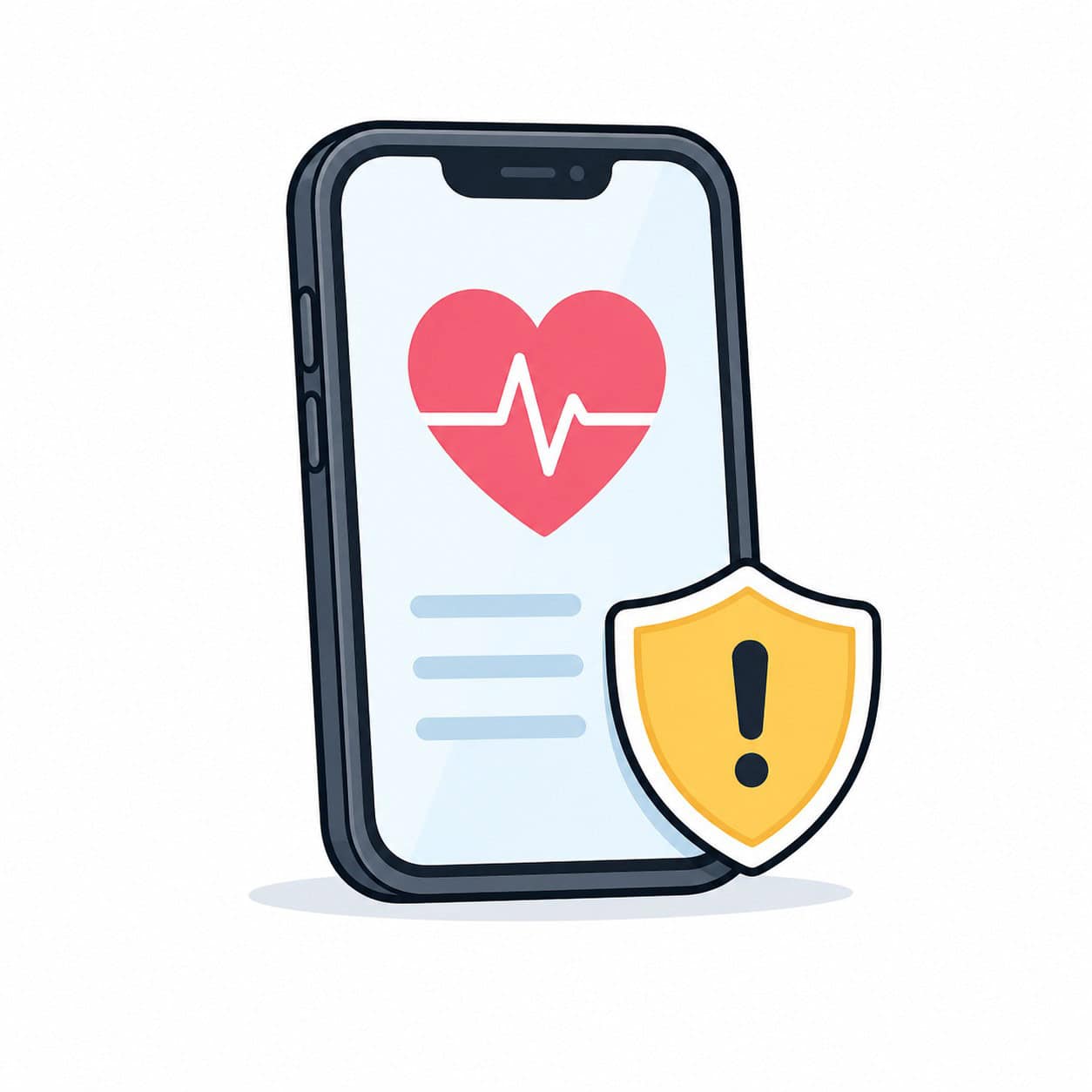
Take a look at this app for example:
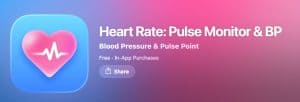
At first glance, it looks polished and trustworthy.
- medical-style visuals
- heart graphics
- simple “tap to measure” messaging
But when you look closer, a few important questions come up:
- What is it actually measuring?
- Is it a medical tool or just a tracker?
- What happens to your data?
- What does it really cost?
That is where understanding a few key ideas makes all the difference.
Understanding “In-App Purchases” and Why This Matters
Many apps today are not truly free.
They use something called in-app purchases.
What Are In-App Purchases?
These are charges that happen after you download the app.
They can include:
- unlocking features
- removing ads
- accessing full functionality
- ongoing subscriptions
In the example above, pricing includes:
- Weekly Subscription: $3.99
- Yearly Subscription: $49.99
That changes the picture quickly.
If someone stays on the weekly plan, that can add up to over $200 per year.
What Does “Freemium” Mean?
This is called a freemium model.
It means:
- free to download
- paid to actually use
There is nothing wrong with this when it is clear.
The concern is when:
- pricing is not obvious
- upgrades are pushed quickly
- users feel rushed to subscribe
Why Health Apps Require Extra Caution
With a game or music app, a subscription is one thing.
With a health app, it is different.
People may feel:
- worried about their health
- pressure to act quickly
- more likely to trust what they see
That combination makes it easier to:
- subscribe without thinking
- trust inaccurate readings
- rely on something that is not medically sound
A Reality Check: What Your Devices Can Actually Do
It helps to compare these apps to something trusted.
For example, the Apple Watch can:
- measure heart rate
- track activity
- provide ECG readings (on supported models)
- estimate blood oxygen (on supported models)
But Apple is very clear about what it cannot do.
It does not claim to:
- measure blood pressure
- diagnose medical conditions
- replace professional medical equipment
That is important.
A Simple Rule That Works Every Time
If an app claims to do more than what Apple says its own devices can do, pause.
That does not automatically mean it is bad.
But it does mean you should look closer.
What to Watch For
Here are some quick warning signs:
- claims that sound too good to be true
- urgent or fear-based messaging
- “tap to measure instantly” features
- lots of short, vague reviews
- weekly subscription pricing
- unclear privacy details
Privacy Matters Too
In the example above, the developer:
- is based outside North America (In this case, Hong Kong, China)
- has limited company visibility
- uses a basic external privacy policy page
- does not clearly present terms on their main site
Again, not proof of anything wrong.
But it is another reason to slow down and think.
What Should You Do Instead?
If your health matters, stick with tools you understand.
For blood pressure
Use:
- a proper arm cuff monitor
- regular readings
- guidance from a doctor or pharmacist
For tracking
- Apple Health
- apps from recognized companies
- tools connected to real devices
A Better Way to Think About Apps
Before downloading, ask:
- Who made this?
- What is it really doing?
- What does it cost long term?
- What data is it collecting?
If you cannot answer those easily, pause.
How Techie Nesters Would Say It
This is something we see often.
The app is not necessarily a scam.
But it is also not what many people think it is.
It is closer to a subscription-based wellness tool than a medical solution.
Final Thought
Technology should support your health, not confuse it.
The goal is not to avoid apps.
It is to choose them with clarity and confidence.
When in doubt:
- Slow down.
- Ask questions.
- And trust tools that are proven, not just polished.